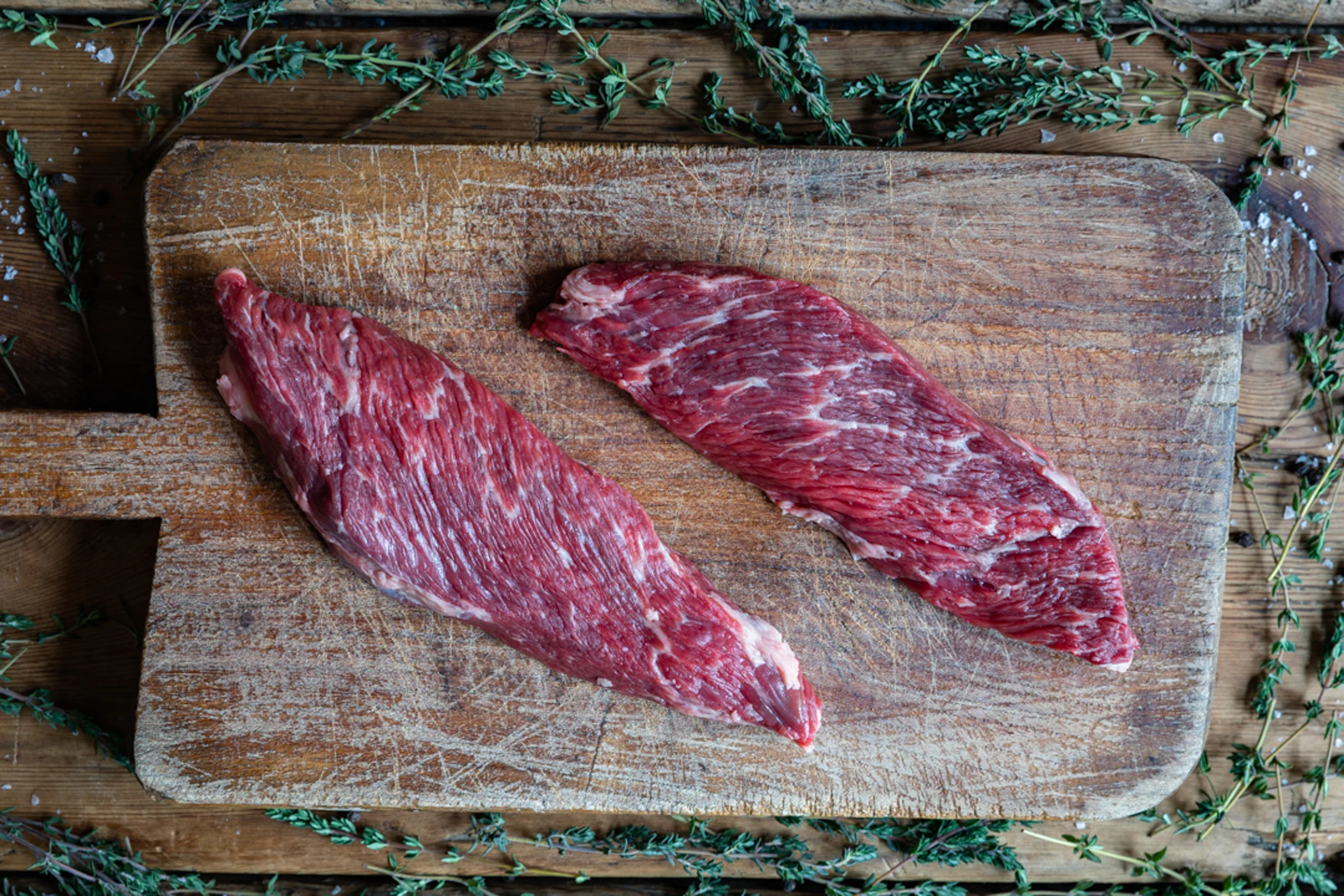
Denver Steak
An American Discovery, a British Favourite
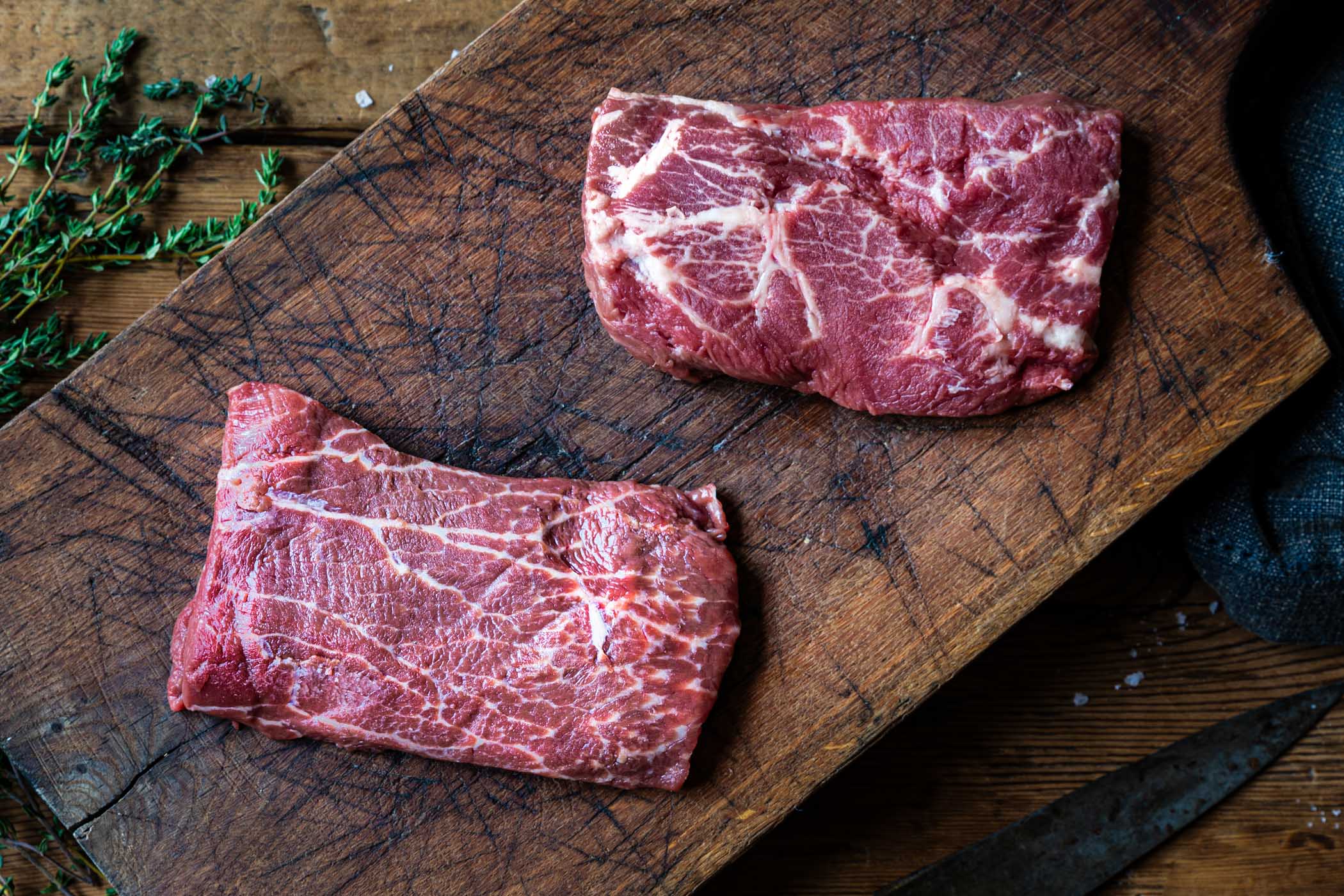
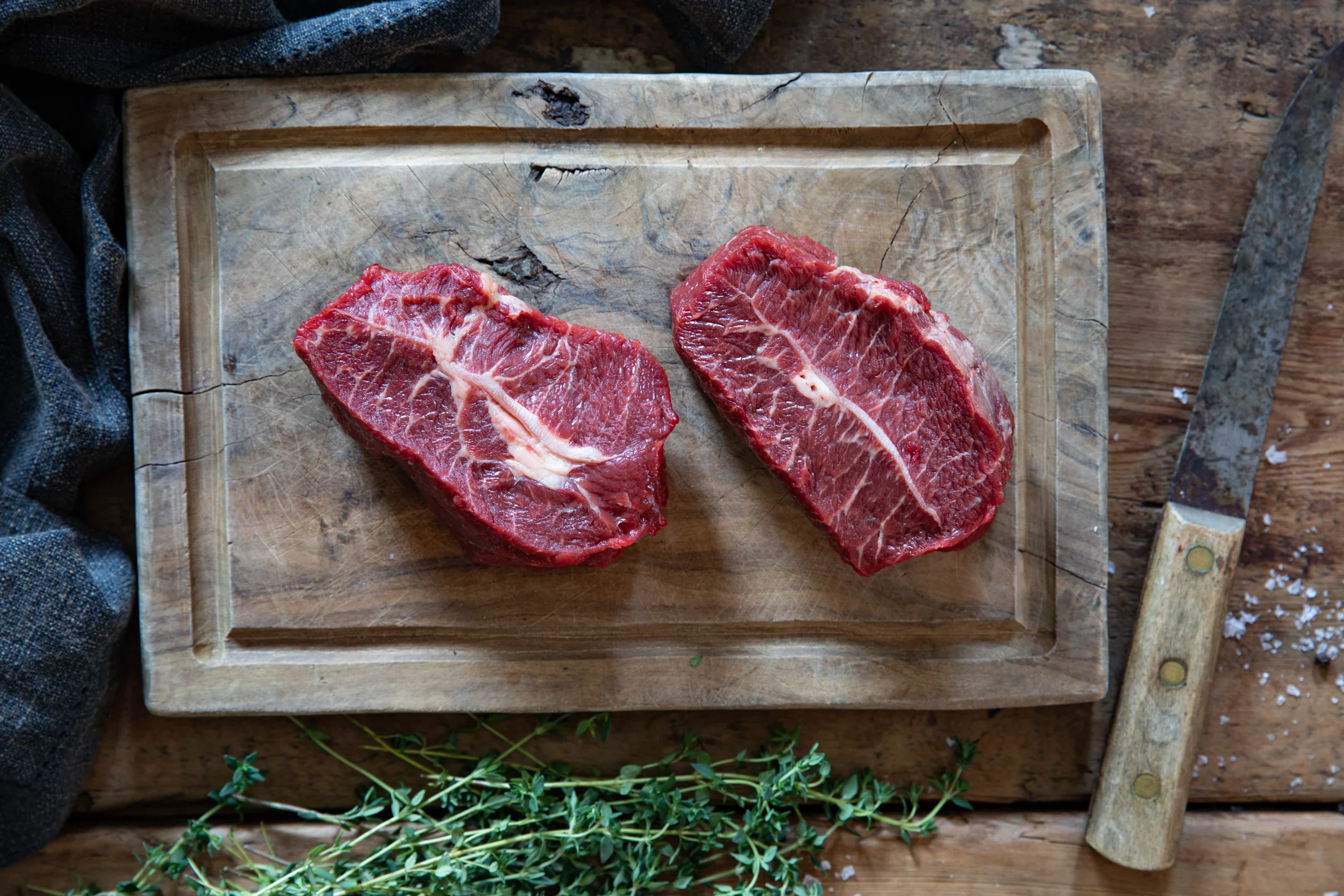
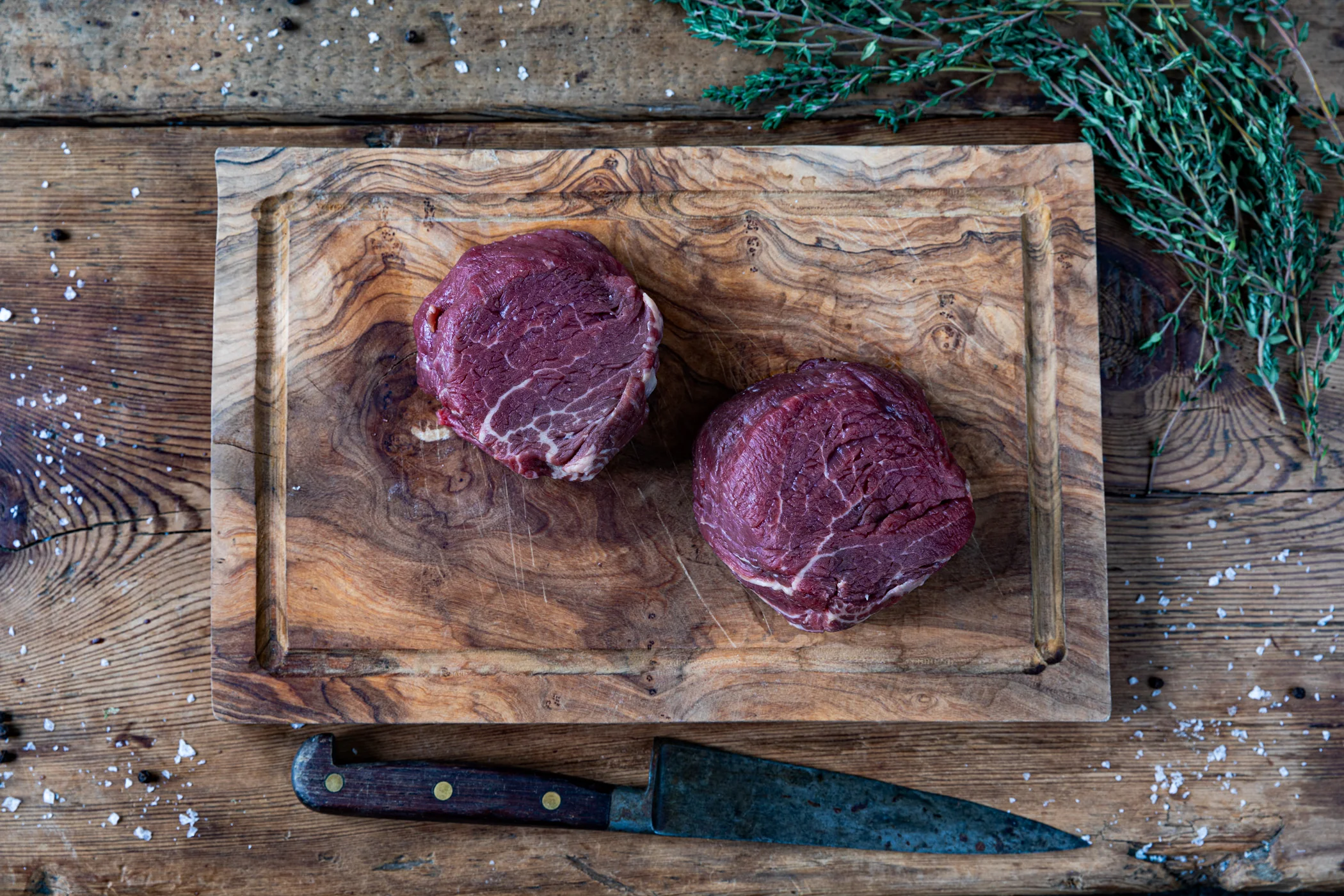
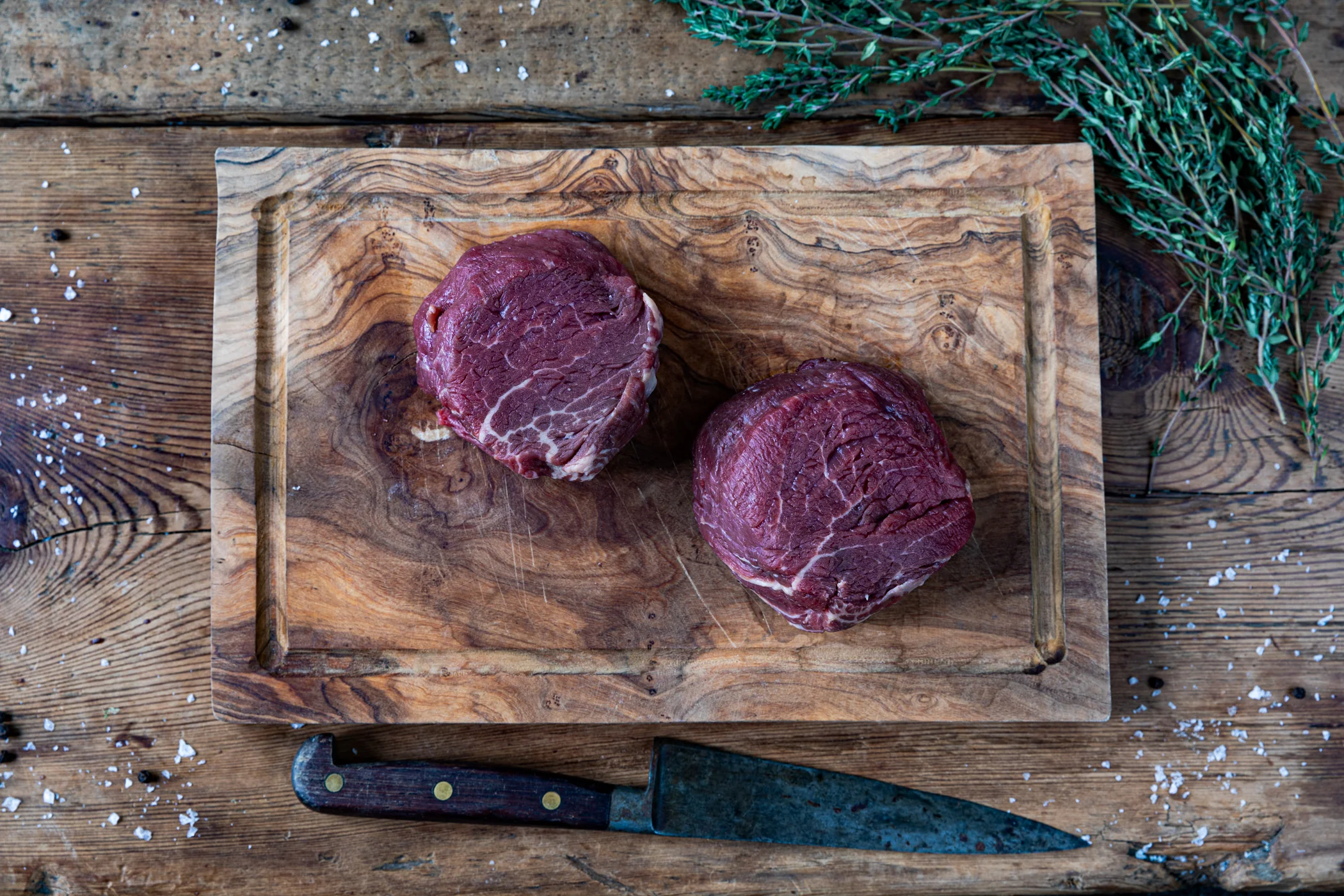
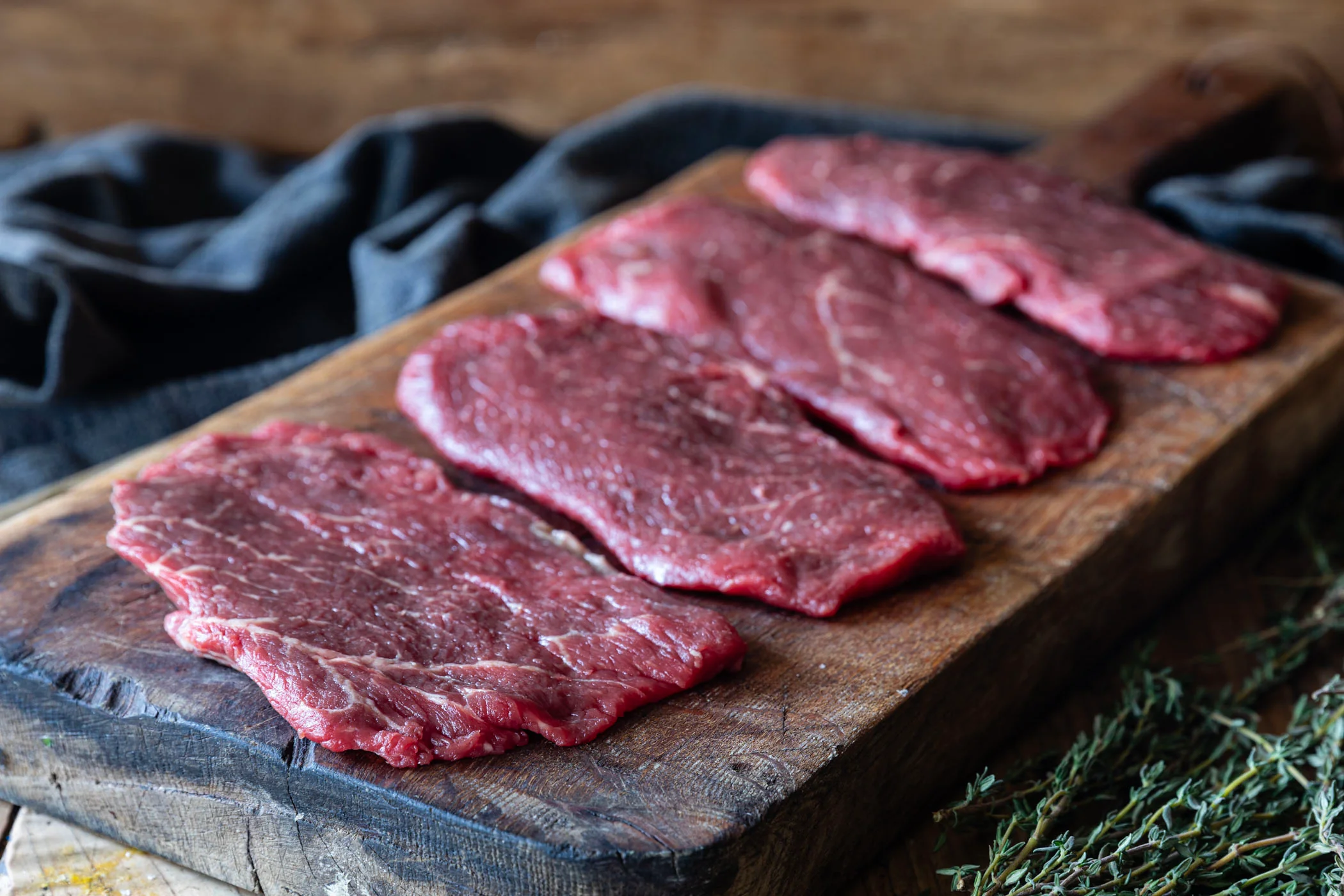
Denver steak is cut from the chuck, located on the shoulder. This part of the carcass is known for its more muscular cuts and abundance of connective tissue, making it a logical choice for mince and stewing. However, Denver steak is the exception - its specific position within the shoulder means it comes from a lesser-used, ‘lazier’ muscle, resulting in a leaner, more tender cut than its neighbours.
It takes expert knife work to separate the Denver steak from the surrounding connective tissue, but the effort is well rewarded. Intensely flavoured, well-marbled and surprisingly delicate, it’s a deserving alternative to the prime classics.
Remarkably, the Denver steak is a modern invention - born in the 1990s from a marketing initiative by the American Cattlemen's Beef Board to promote whole carcass beef consumption. The Beef Checkoff Program was tasked with identifying and promoting new, affordable cuts, and the Denver steak was one such discovery. What began as a research project by Chris Calkins and Dwain Johnson at the Universities of Nebraska and Florida led to innovation within the American beef industry - and the commercial rise of a once-overlooked muscle.
It’s a movement closely aligned with Swaledale’s whole-carcass butchery ethos and commitment to carcass balance. We can’t only feast on the prime cuts - we must use every part of the beast, valuing each for its distinct flavour, texture and character. It’s about taking the time and care to appreciate each cut on its own terms.
How Chef Val Serves Denver
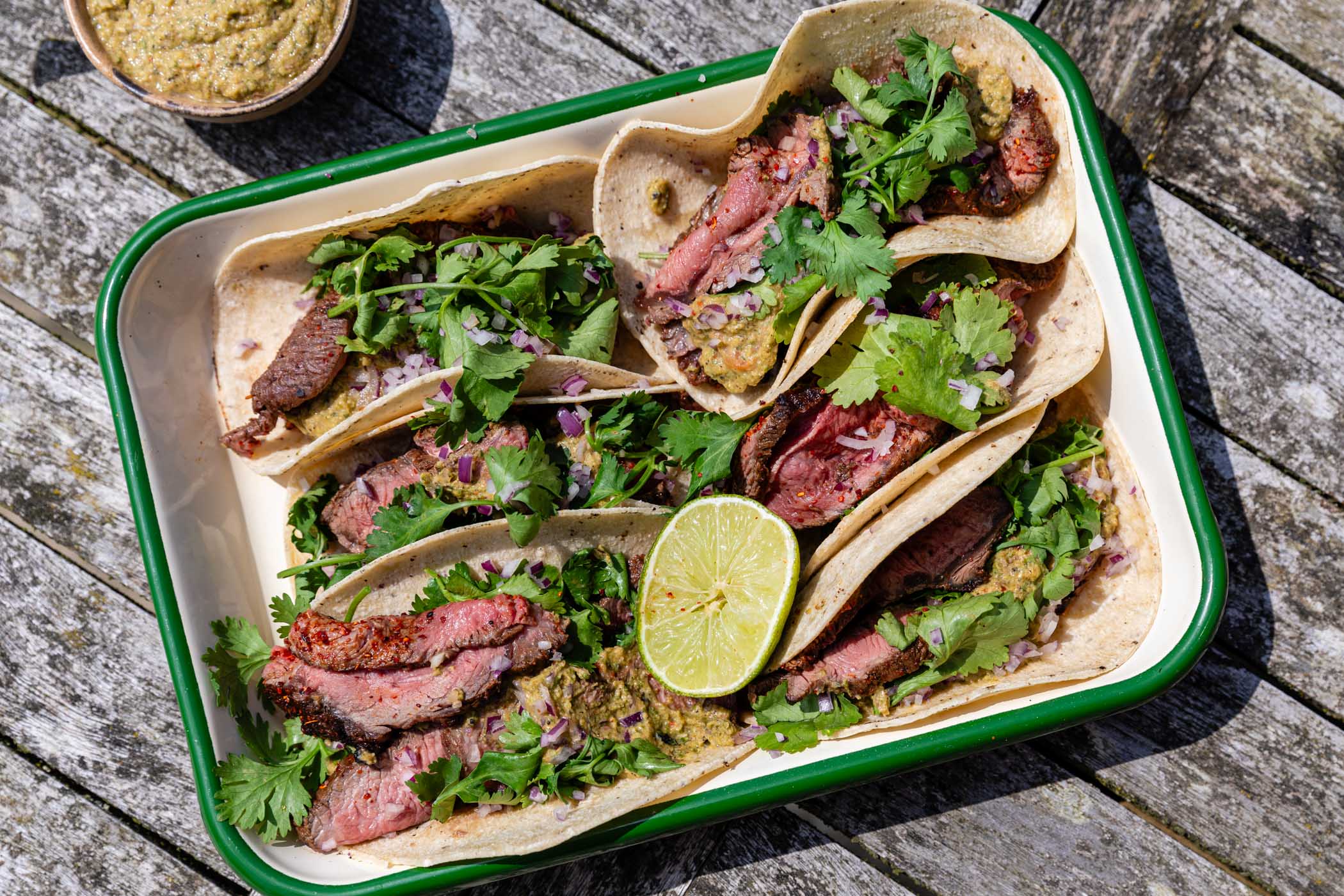
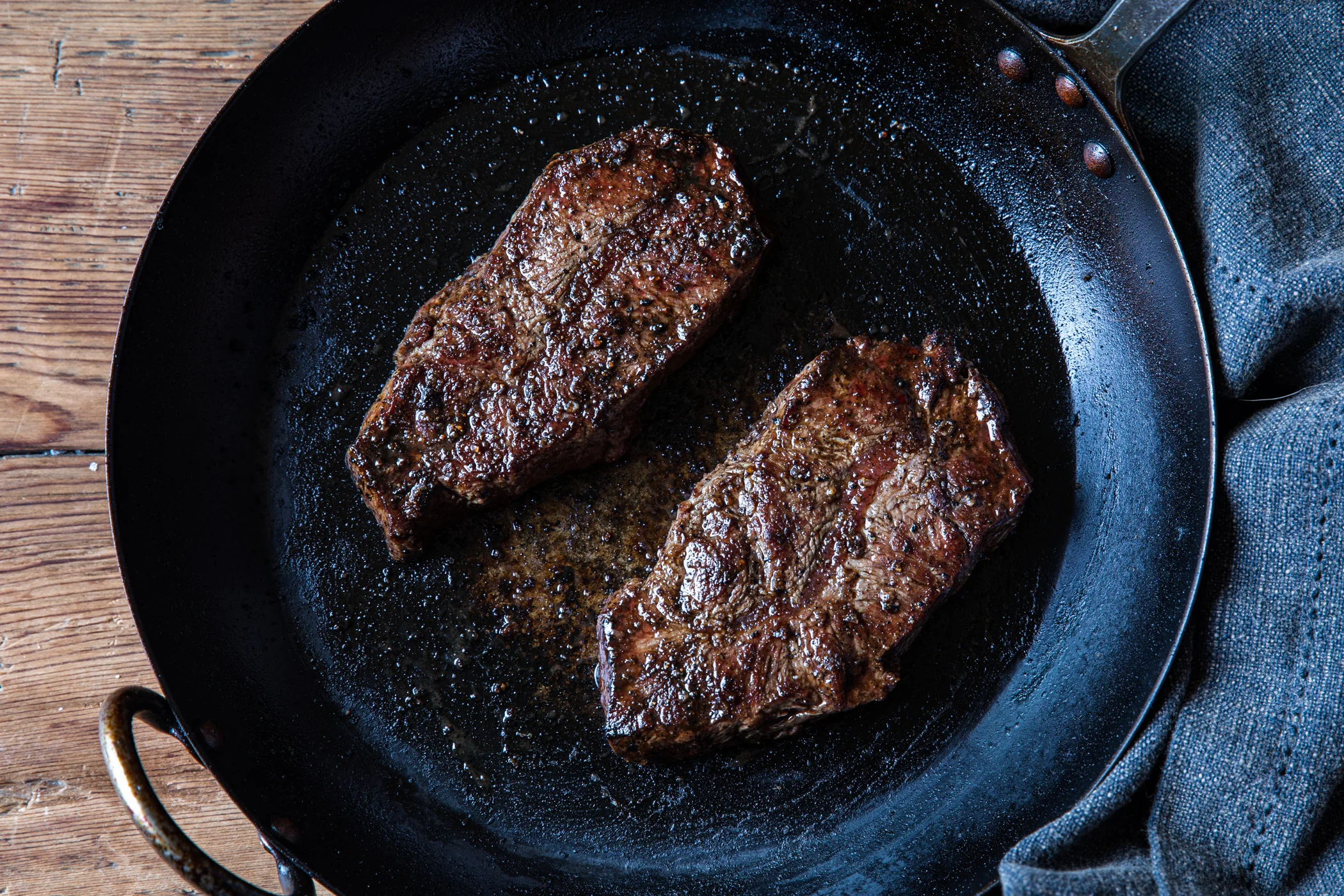
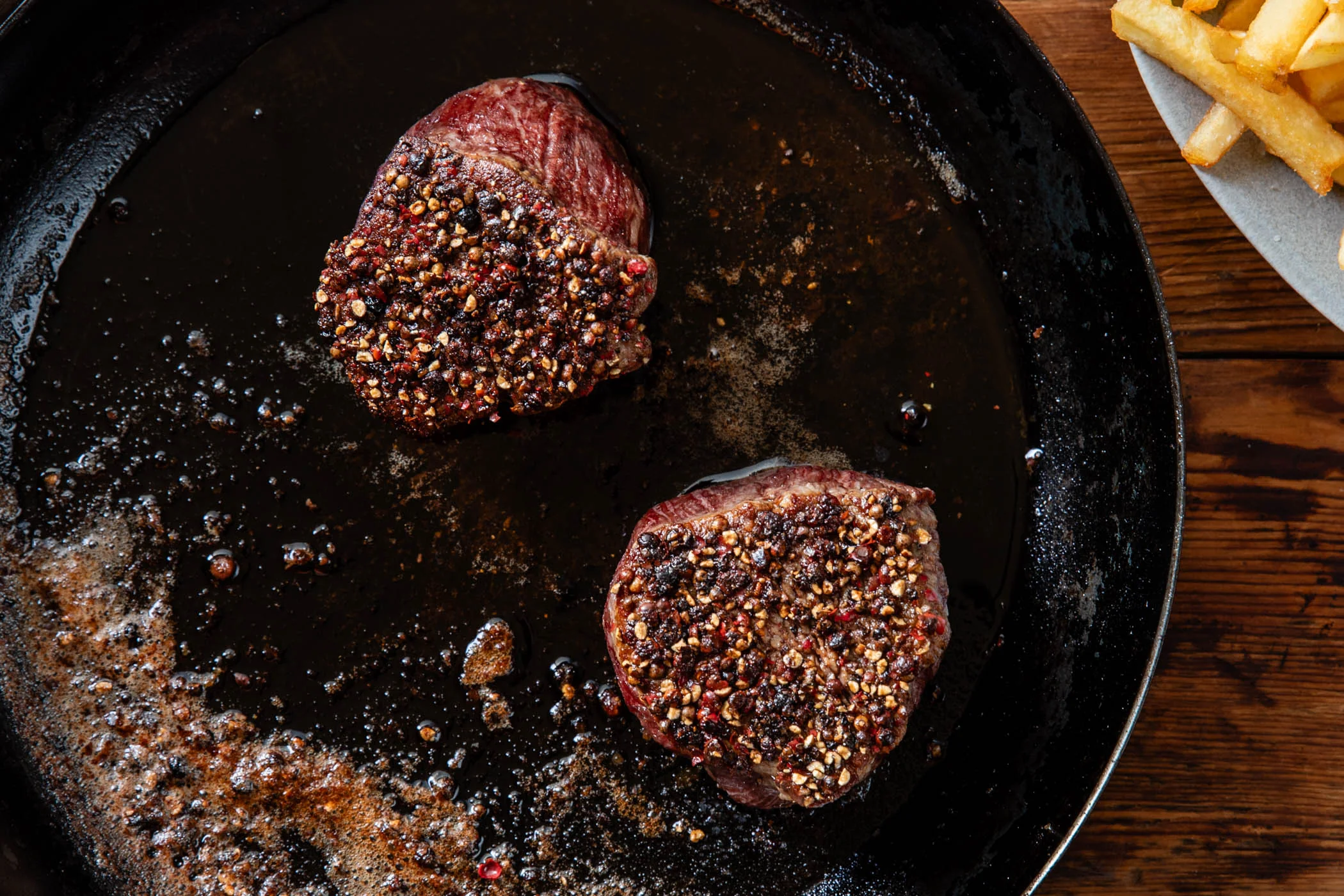
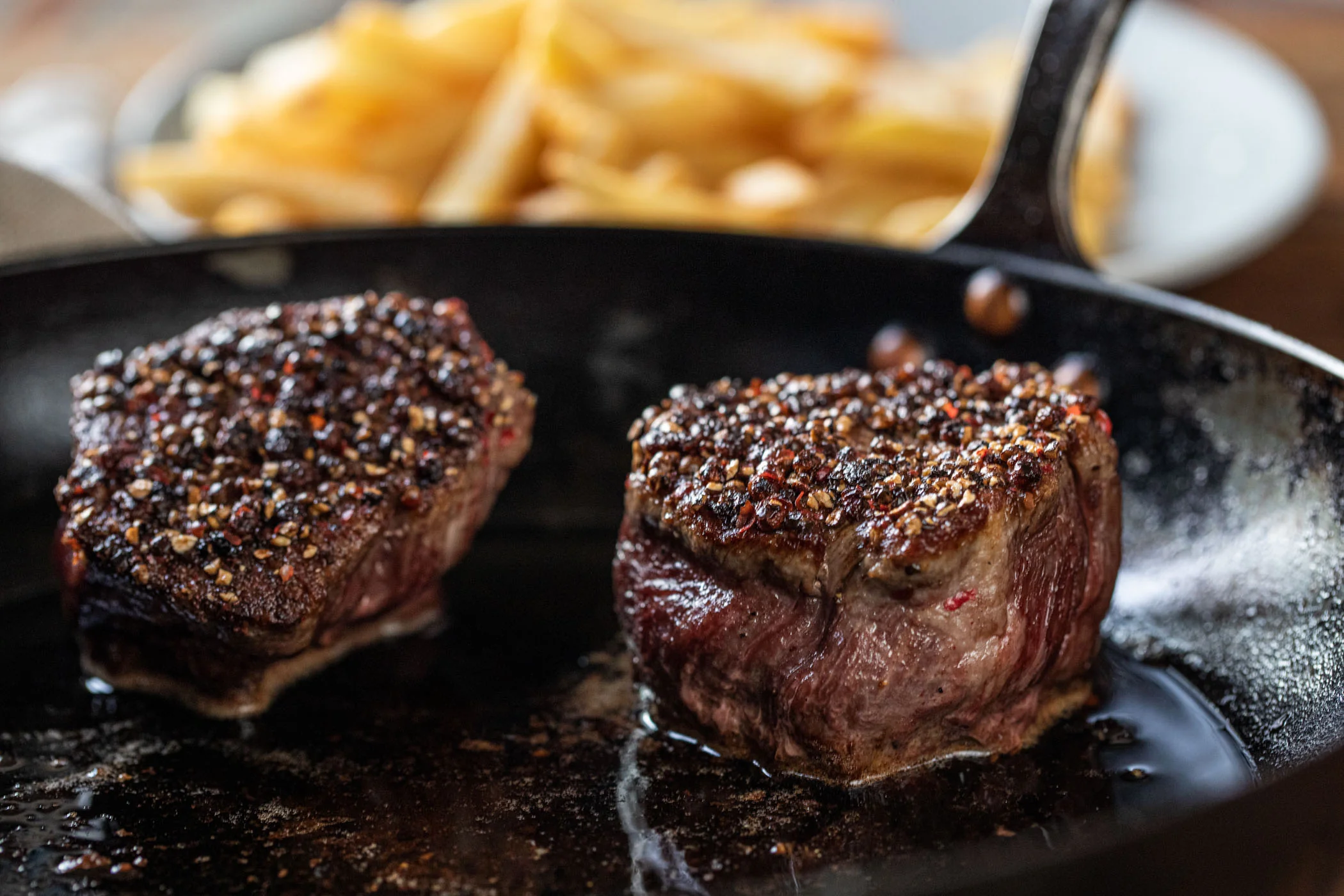
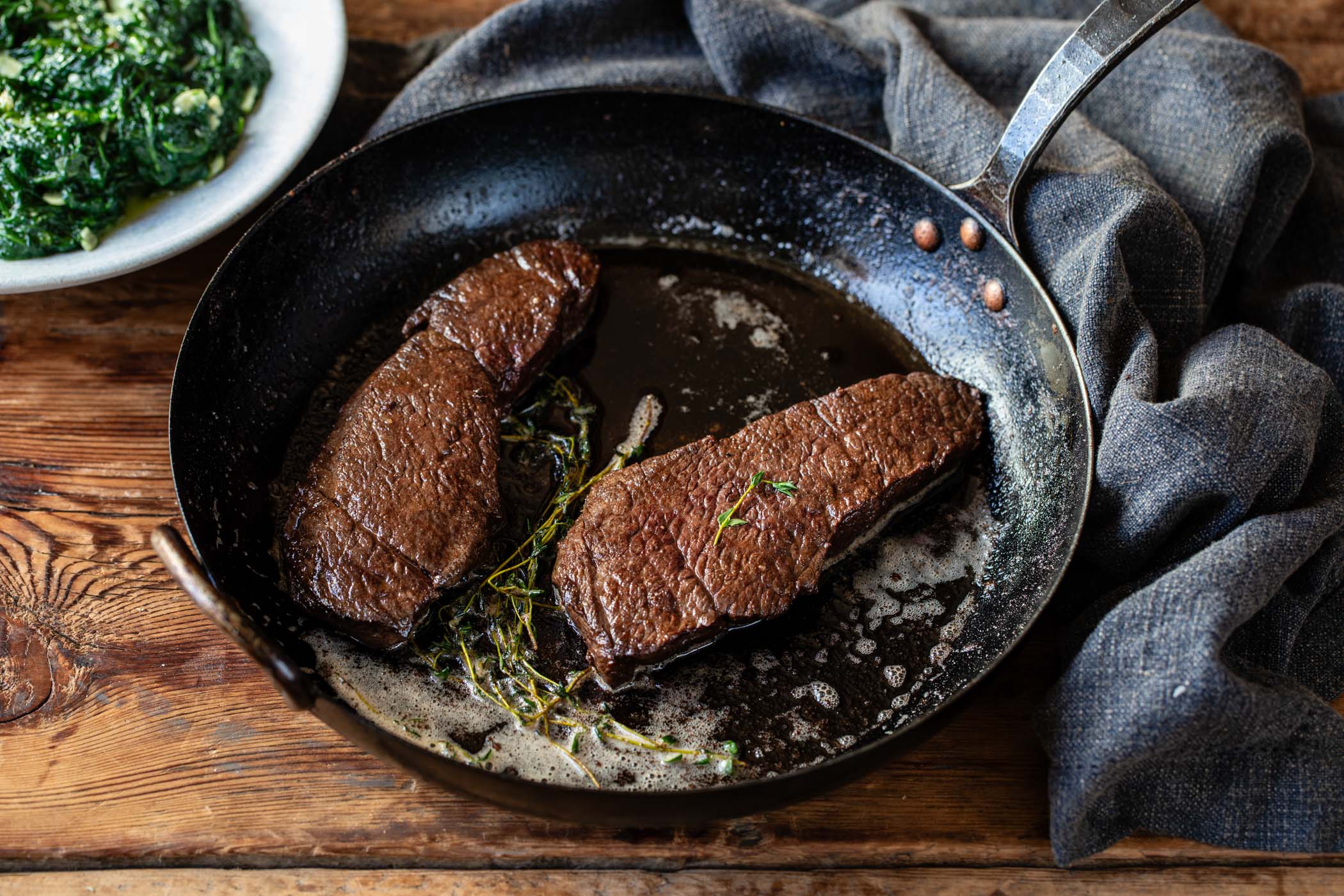
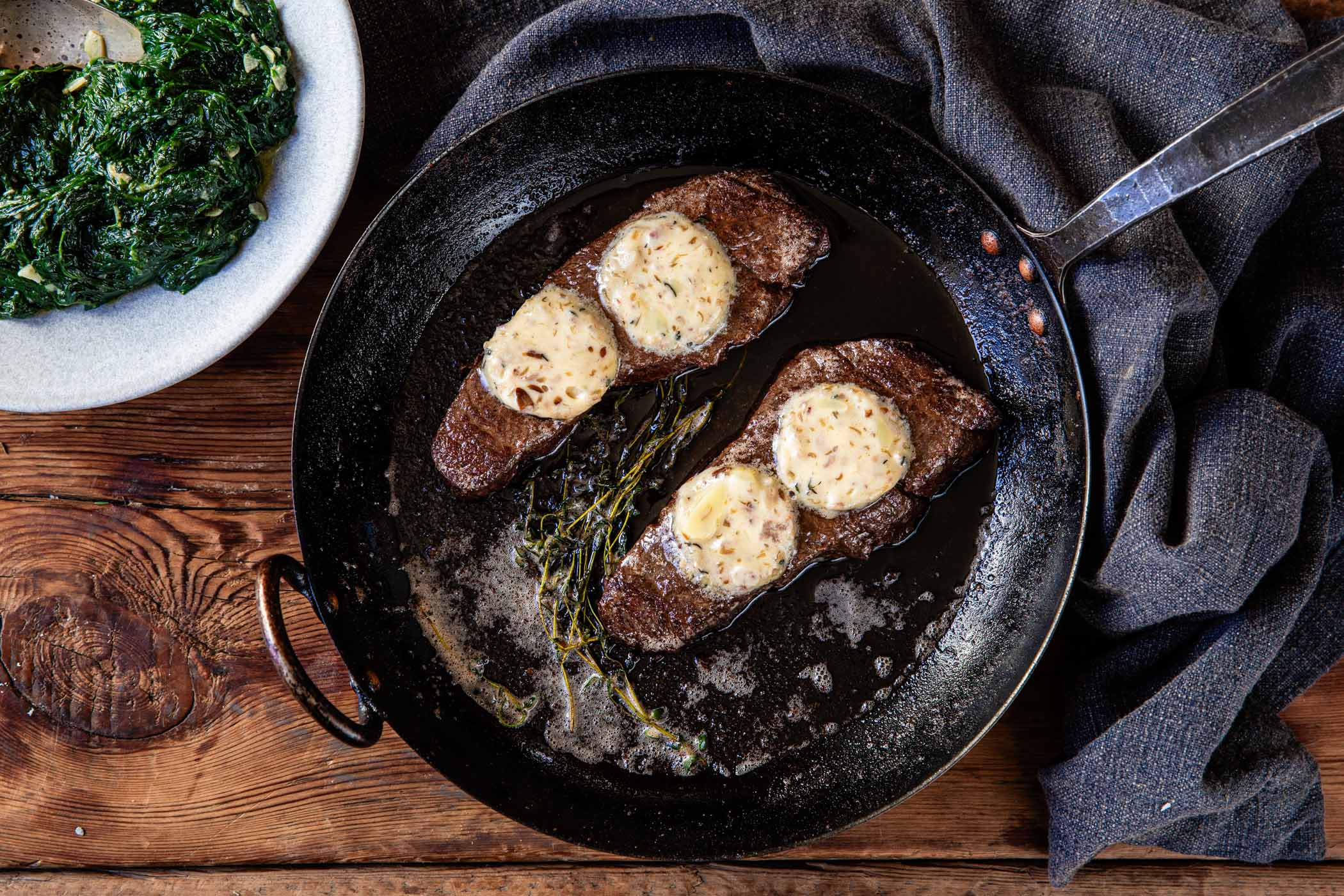
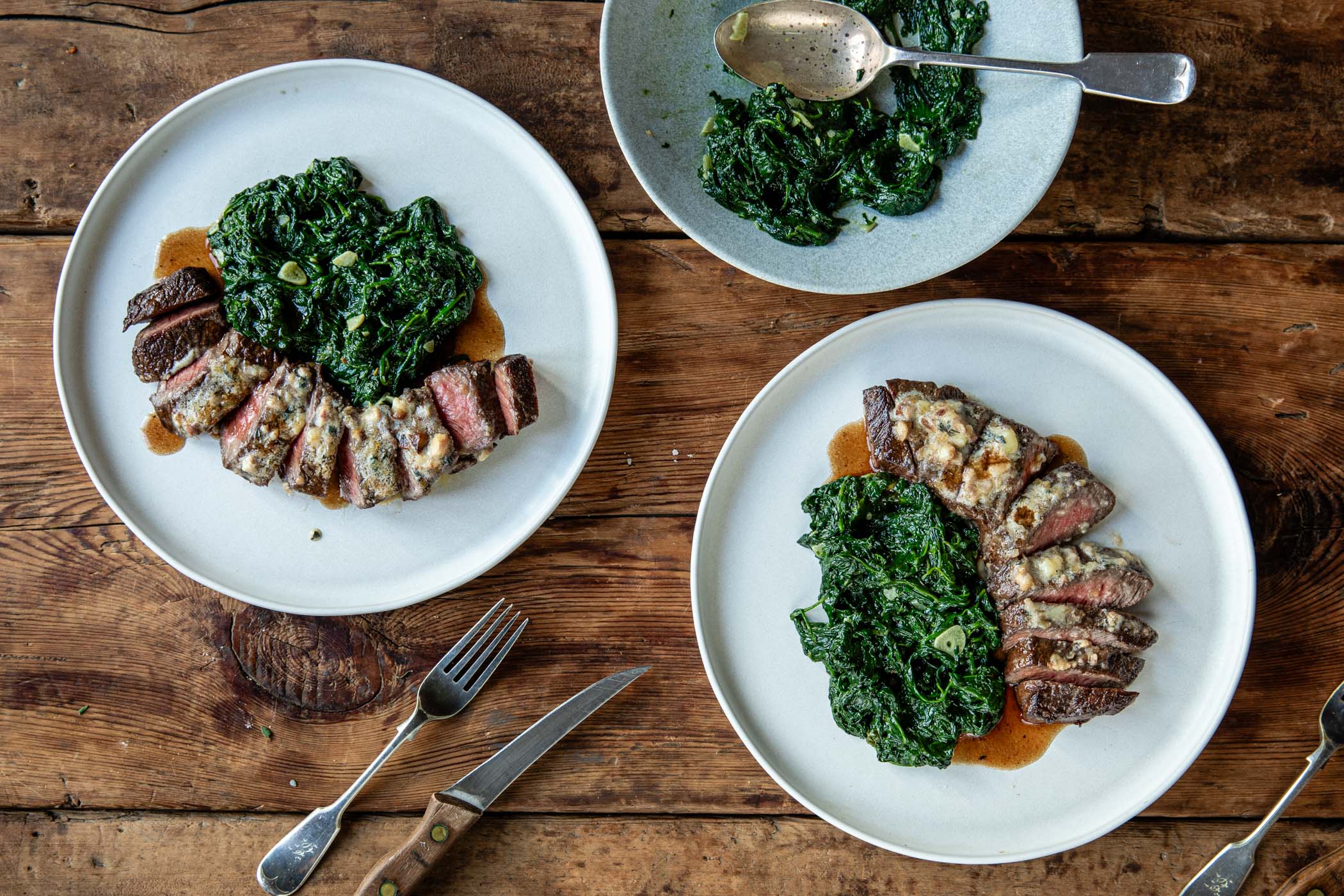
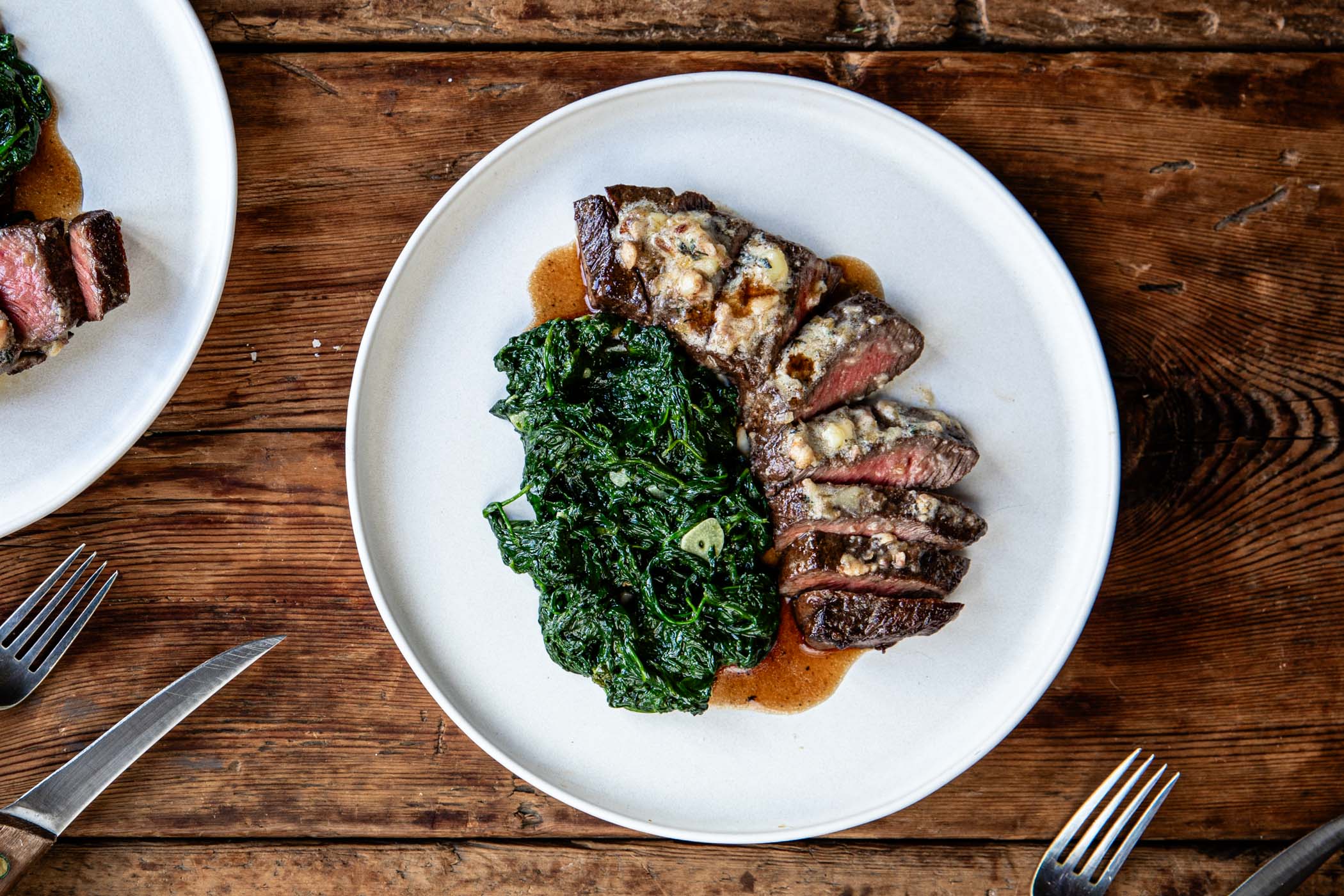
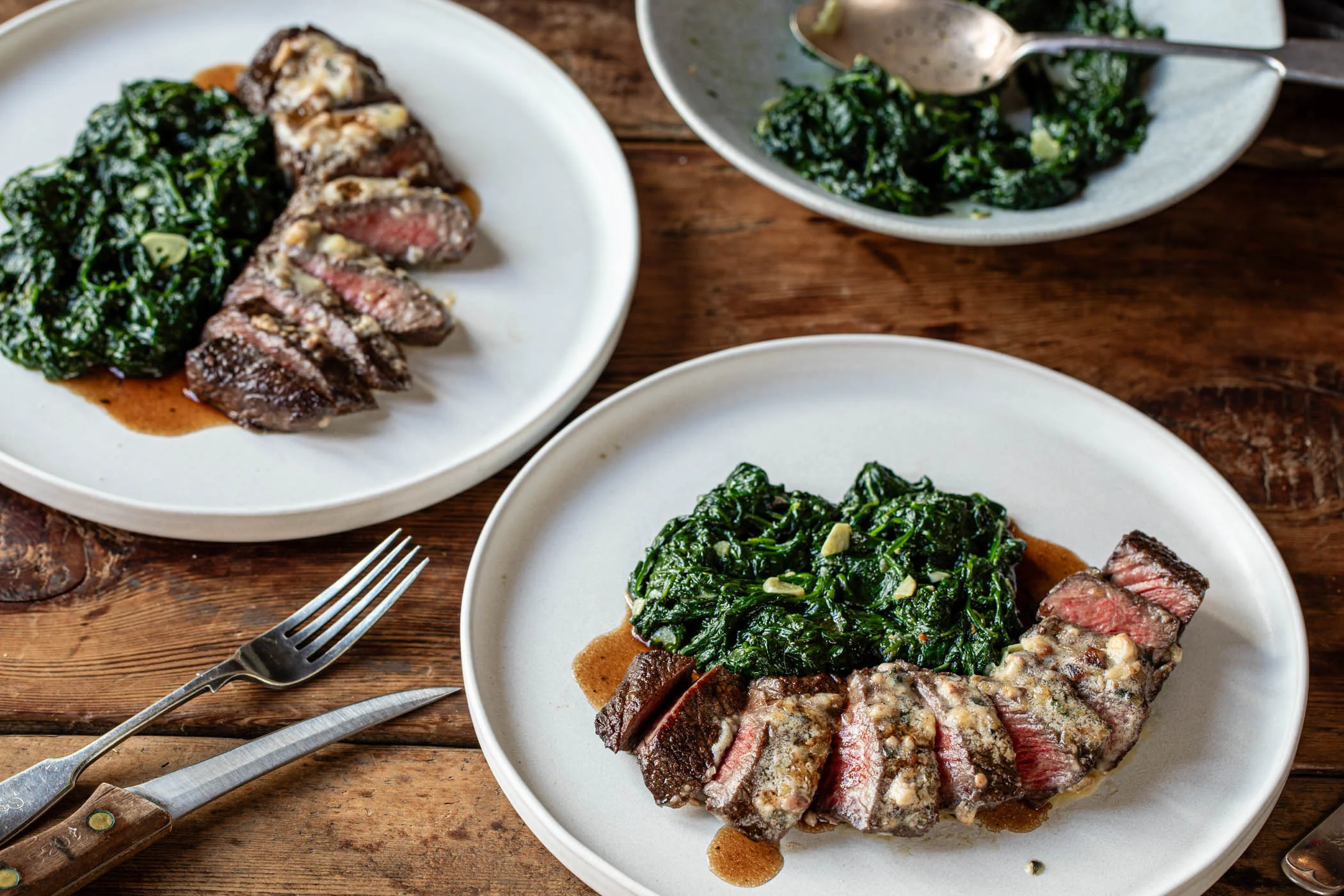
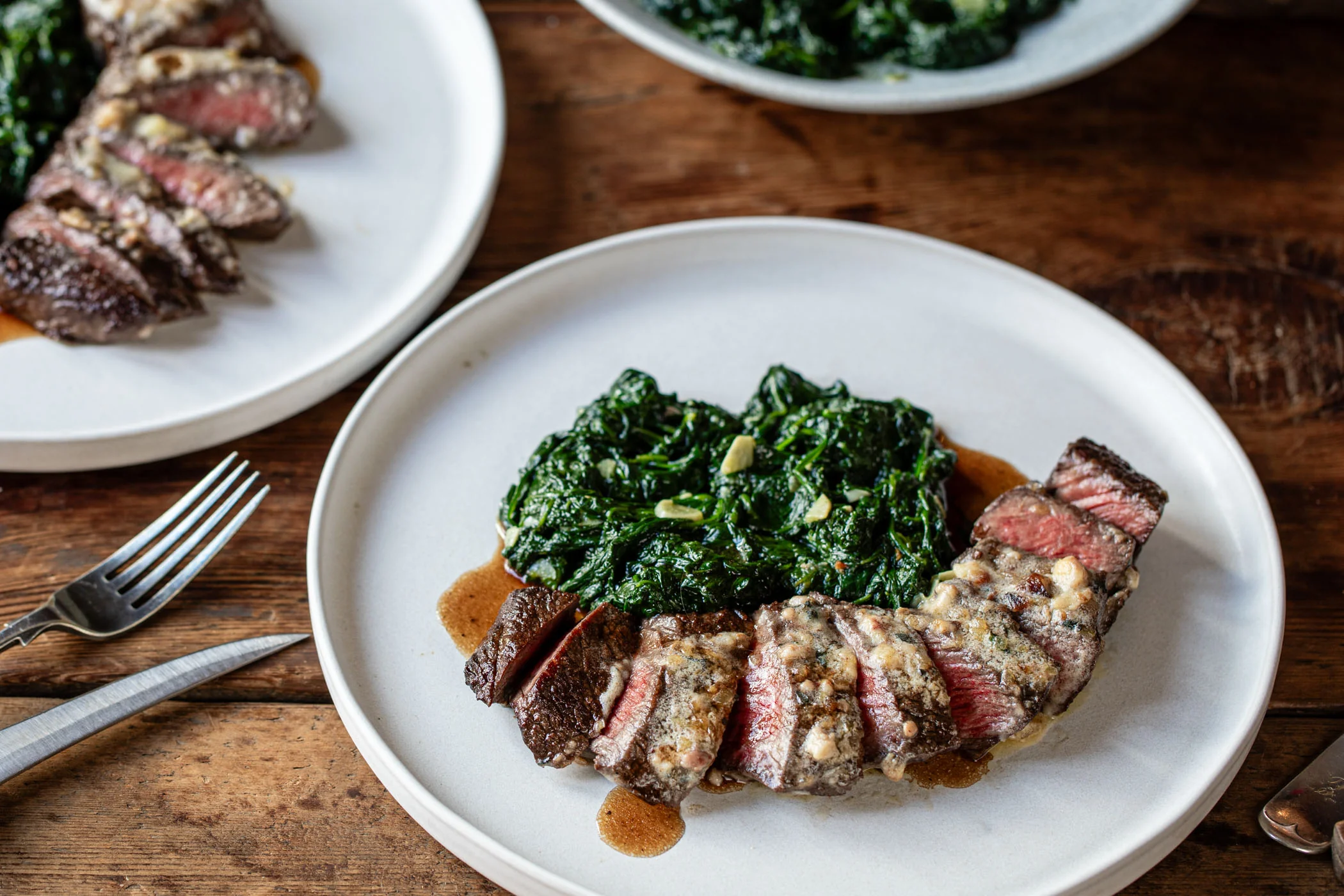
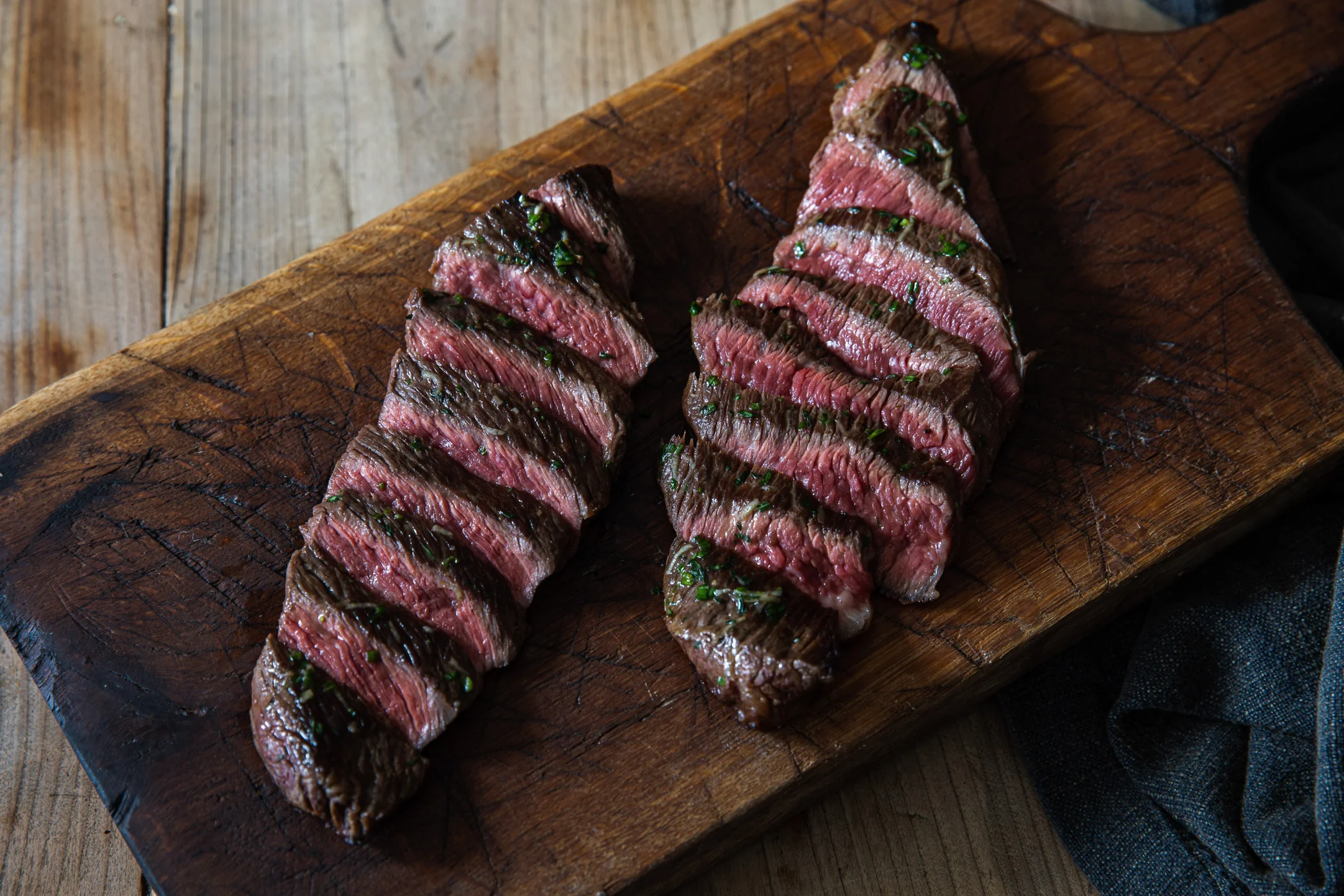
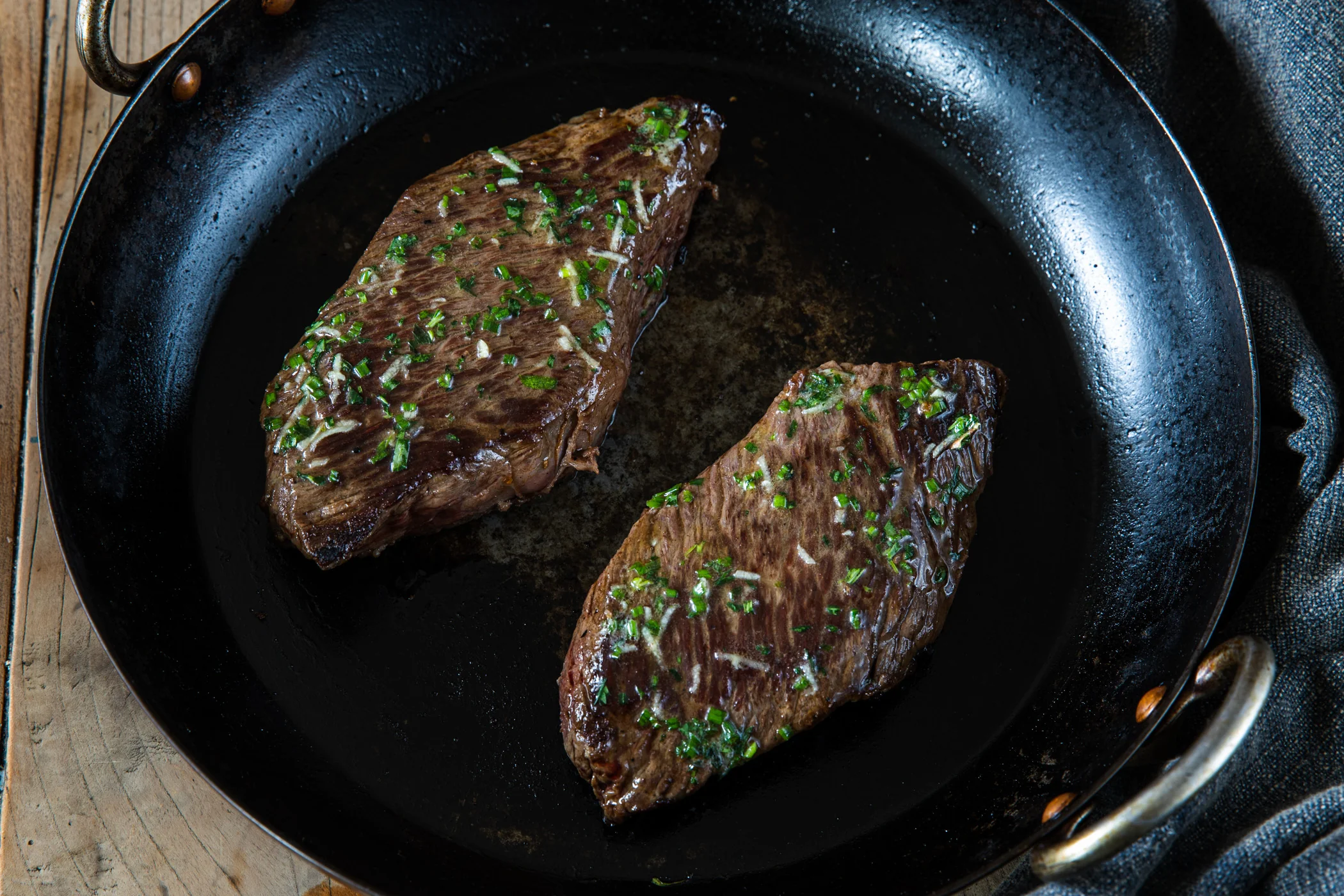
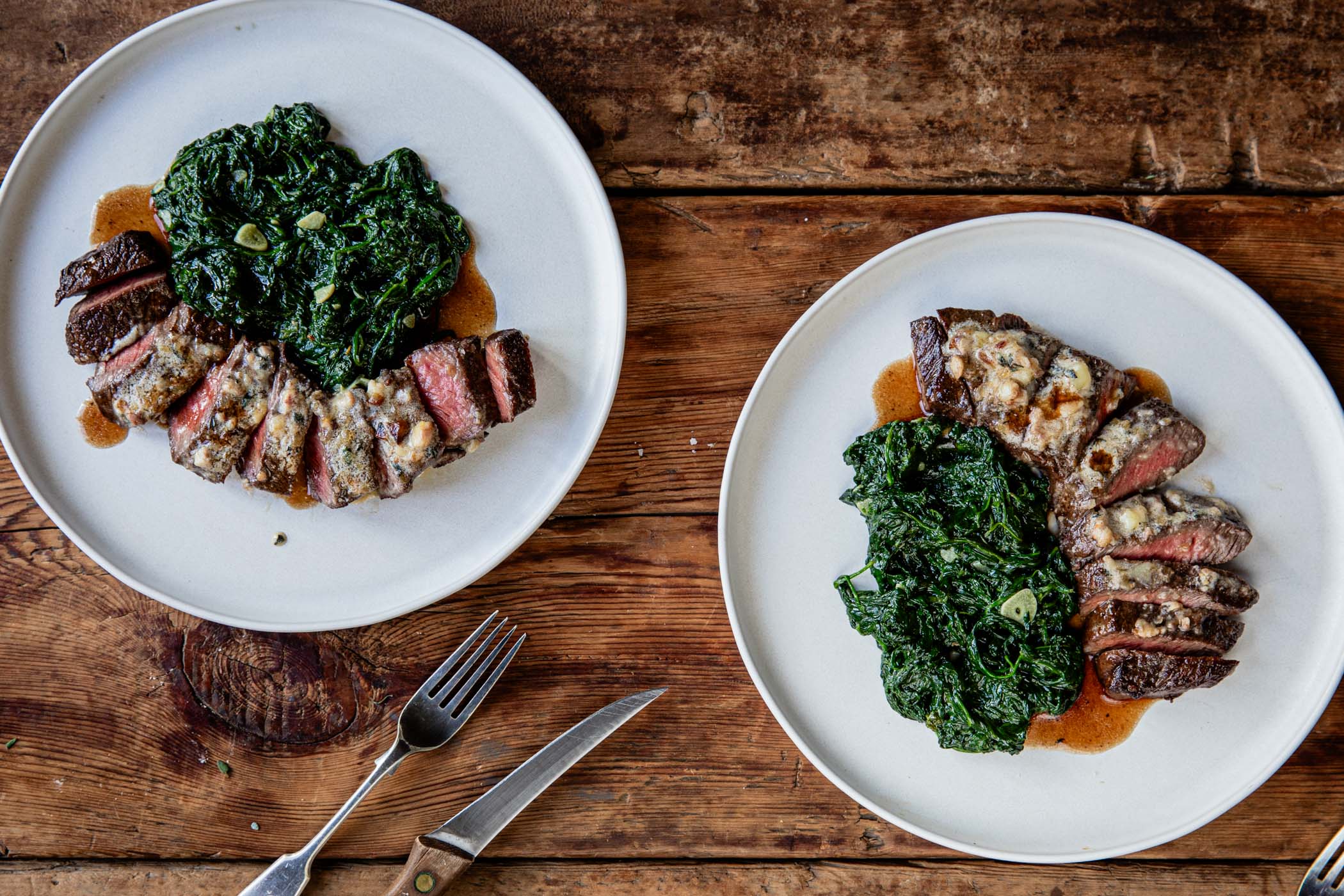
“Simply season with coarse sea salt and cracked black pepper, then cook using the fast-flip method in a heavy cast-iron skillet over high heat. Like many muscular cuts, slice against the grain to ensure maximum taste and tenderness.
Denver makes a perfectly sized breakfast steak, sporting two runny fried eggs and a punchy brown sauce.
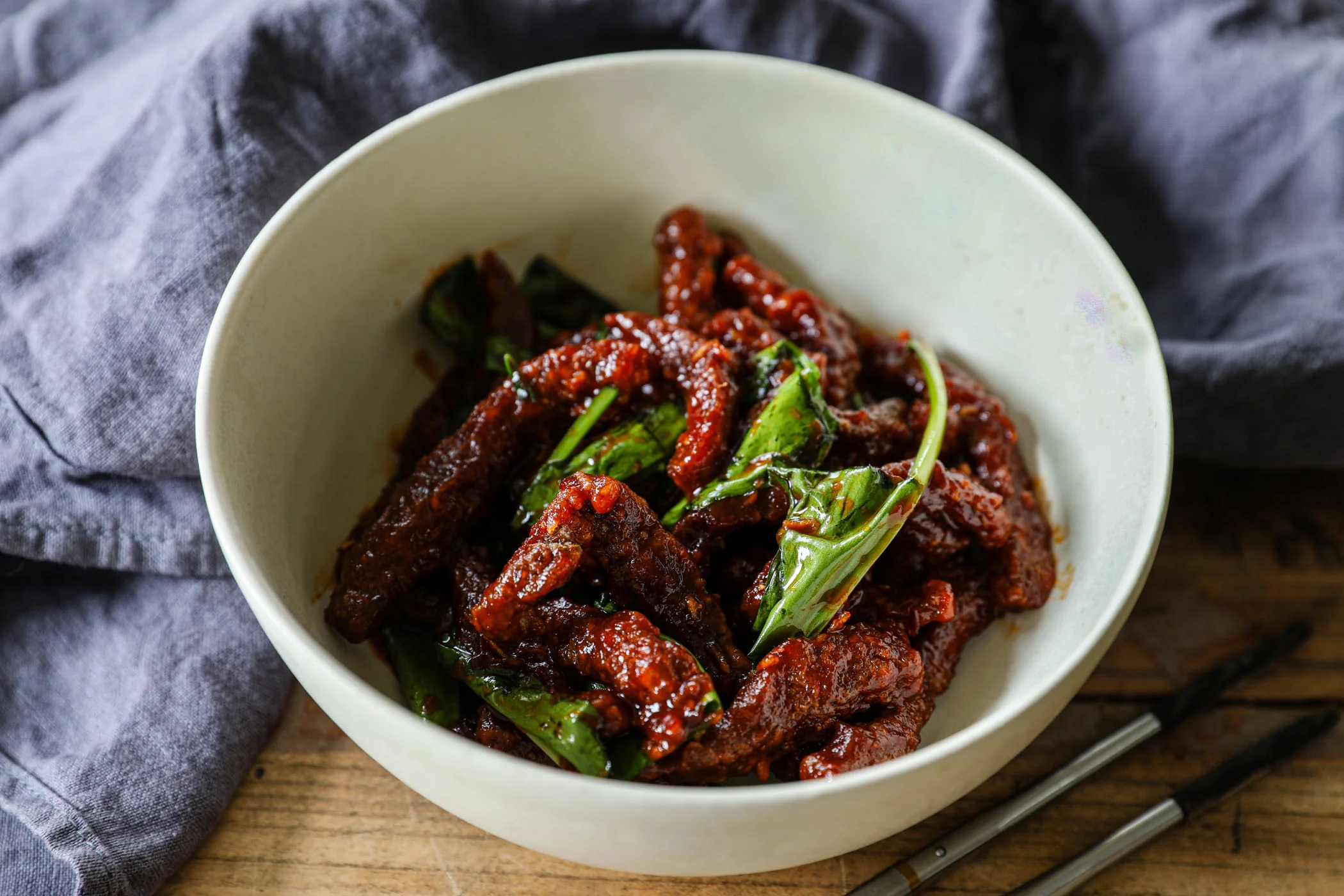
It’s also finger-licking good in a cream sauce made with a splash of stock, chopped gherkins, fresh dill and a little braised cucumber with the seeds scooped out.”
More Images
Denver Steak
An American Discovery, a British Favourite
Denver steak is cut from the chuck, located on the shoulder. This part of the carcass is known for its more muscular cuts and abundance of connective tissue, making it a logical choice for mince and stewing. However, Denver steak is the exception - its specific position within the shoulder means it comes from a lesser-used, ‘lazier’ muscle, resulting in a leaner, more tender cut than its neighbours.
It takes expert knife work to separate the Denver steak from the surrounding connective tissue, but the effort is well rewarded. Intensely flavoured, well-marbled and surprisingly delicate, it’s a deserving alternative to the prime classics.
Remarkably, the Denver steak is a modern invention - born in the 1990s from a marketing initiative by the American Cattlemen's Beef Board to promote whole carcass beef consumption. The Beef Checkoff Program was tasked with identifying and promoting new, affordable cuts, and the Denver steak was one such discovery. What began as a research project by Chris Calkins and Dwain Johnson at the Universities of Nebraska and Florida led to innovation within the American beef industry - and the commercial rise of a once-overlooked muscle.
It’s a movement closely aligned with Swaledale’s whole-carcass butchery ethos and commitment to carcass balance. We can’t only feast on the prime cuts - we must use every part of the beast, valuing each for its distinct flavour, texture and character. It’s about taking the time and care to appreciate each cut on its own terms.
How Chef Val Serves Denver
“Simply season with coarse sea salt and cracked black pepper, then cook using the fast-flip method in a heavy cast-iron skillet over high heat. Like many muscular cuts, slice against the grain to ensure maximum taste and tenderness.
Denver makes a perfectly sized breakfast steak, sporting two runny fried eggs and a punchy brown sauce.
It’s also finger-licking good in a cream sauce made with a splash of stock, chopped gherkins, fresh dill and a little braised cucumber with the seeds scooped out.”
Product Information
Product Information
Shipping & Returns
Shipping & Returns
Description
An American Discovery, a British Favourite
Denver steak is cut from the chuck, located on the shoulder. This part of the carcass is known for its more muscular cuts and abundance of connective tissue, making it a logical choice for mince and stewing. However, Denver steak is the exception - its specific position within the shoulder means it comes from a lesser-used, ‘lazier’ muscle, resulting in a leaner, more tender cut than its neighbours.
It takes expert knife work to separate the Denver steak from the surrounding connective tissue, but the effort is well rewarded. Intensely flavoured, well-marbled and surprisingly delicate, it’s a deserving alternative to the prime classics.
Remarkably, the Denver steak is a modern invention - born in the 1990s from a marketing initiative by the American Cattlemen's Beef Board to promote whole carcass beef consumption. The Beef Checkoff Program was tasked with identifying and promoting new, affordable cuts, and the Denver steak was one such discovery. What began as a research project by Chris Calkins and Dwain Johnson at the Universities of Nebraska and Florida led to innovation within the American beef industry - and the commercial rise of a once-overlooked muscle.
It’s a movement closely aligned with Swaledale’s whole-carcass butchery ethos and commitment to carcass balance. We can’t only feast on the prime cuts - we must use every part of the beast, valuing each for its distinct flavour, texture and character. It’s about taking the time and care to appreciate each cut on its own terms.
How Chef Val Serves Denver
“Simply season with coarse sea salt and cracked black pepper, then cook using the fast-flip method in a heavy cast-iron skillet over high heat. Like many muscular cuts, slice against the grain to ensure maximum taste and tenderness.
Denver makes a perfectly sized breakfast steak, sporting two runny fried eggs and a punchy brown sauce.
It’s also finger-licking good in a cream sauce made with a splash of stock, chopped gherkins, fresh dill and a little braised cucumber with the seeds scooped out.”