Oxtail
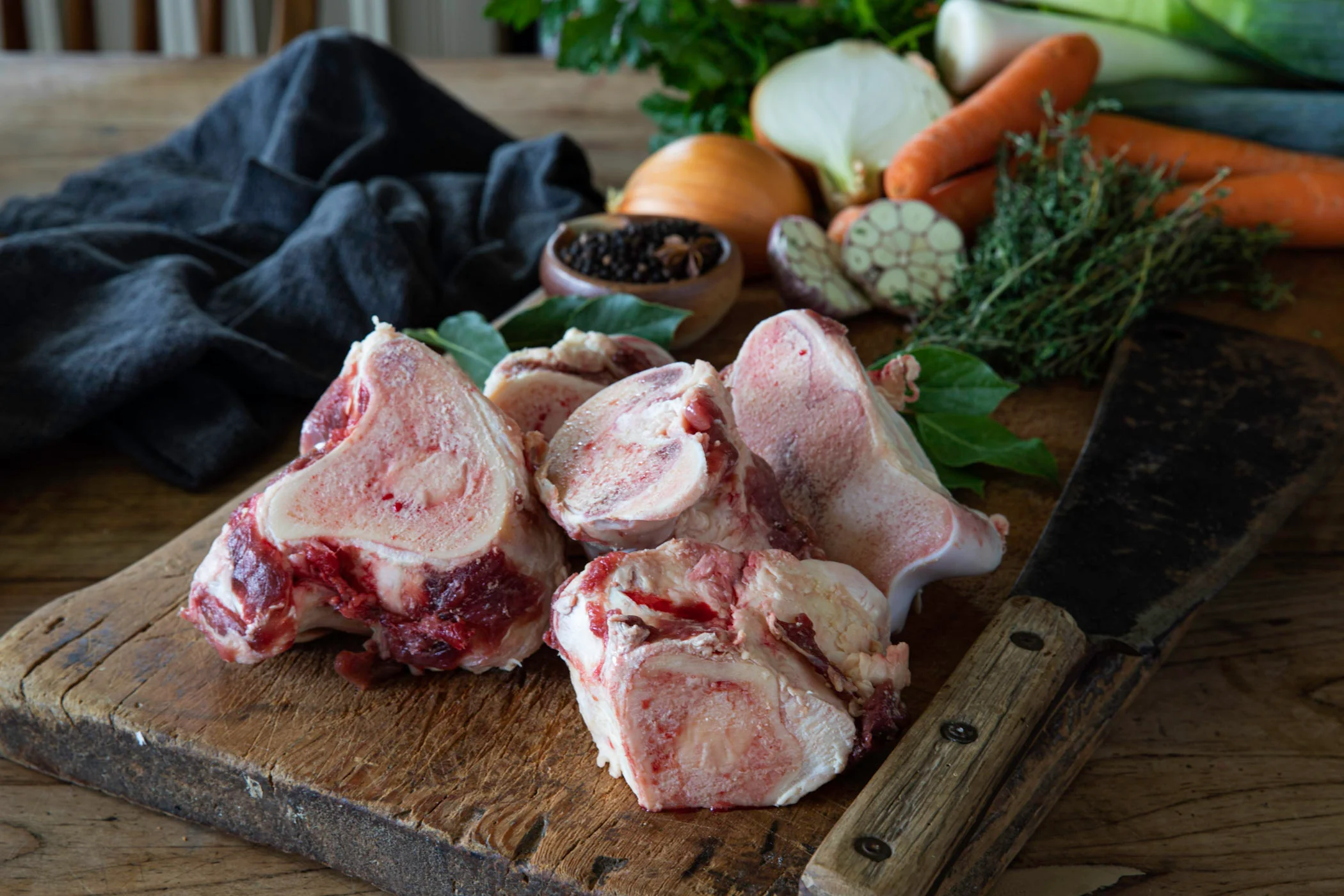
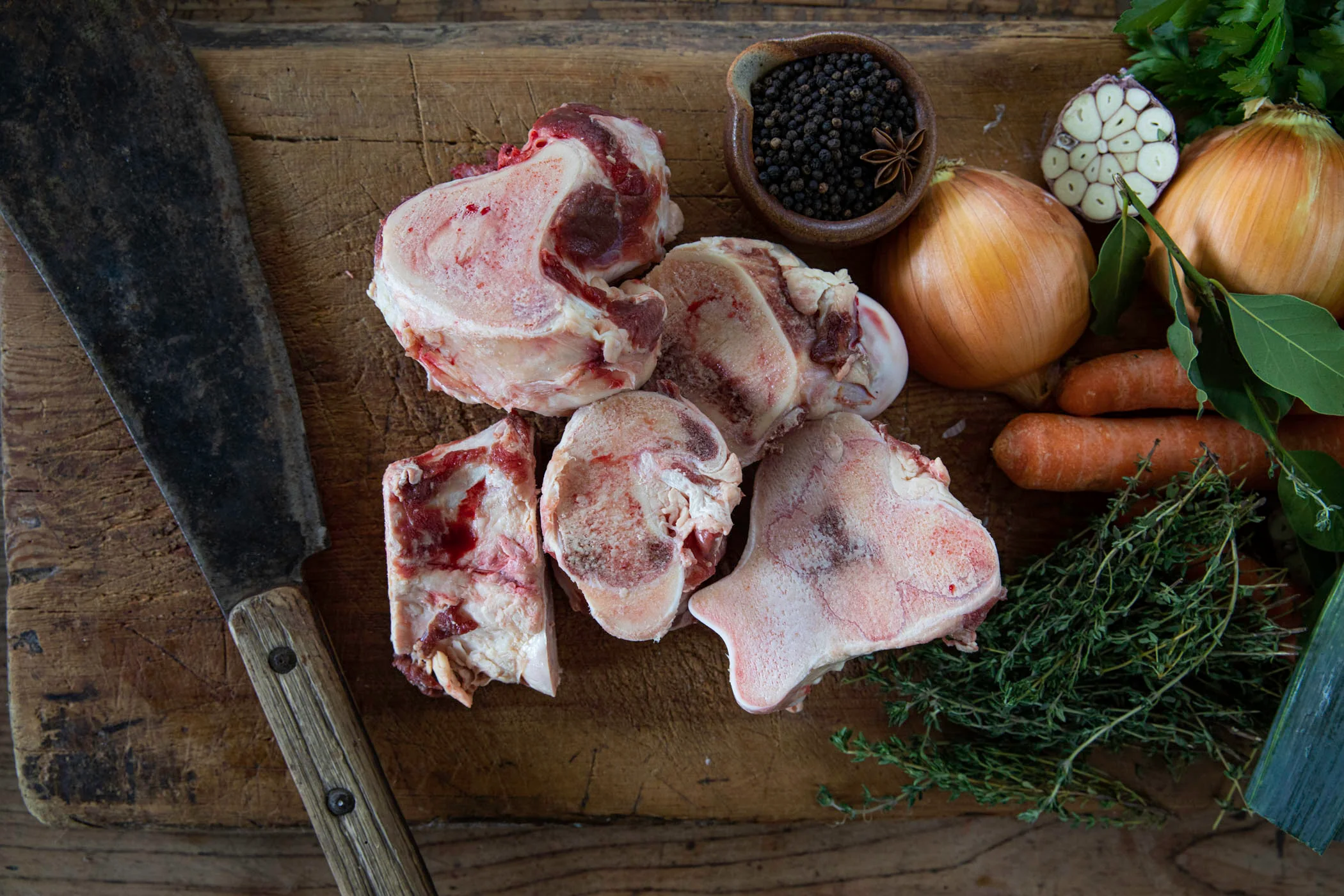
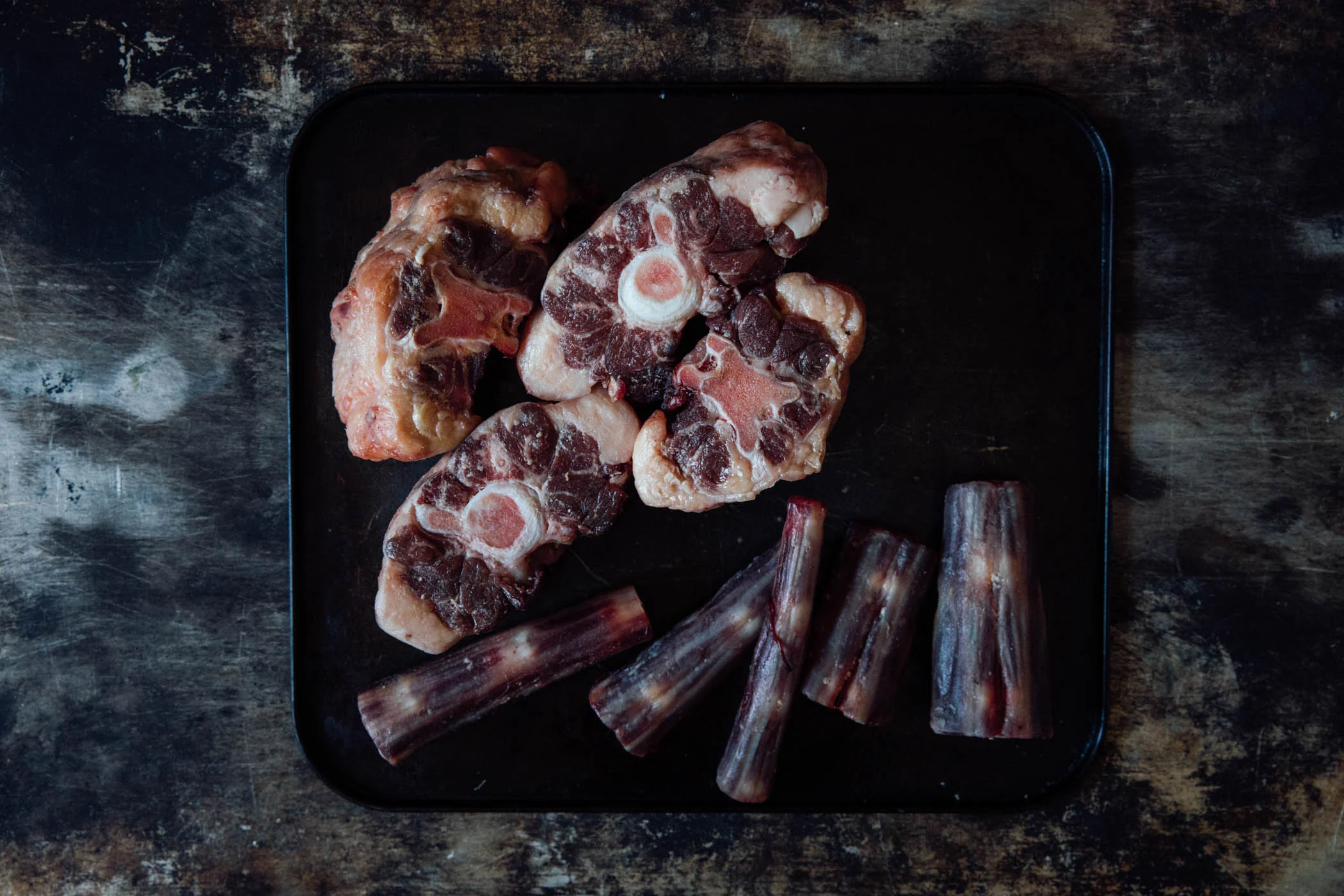
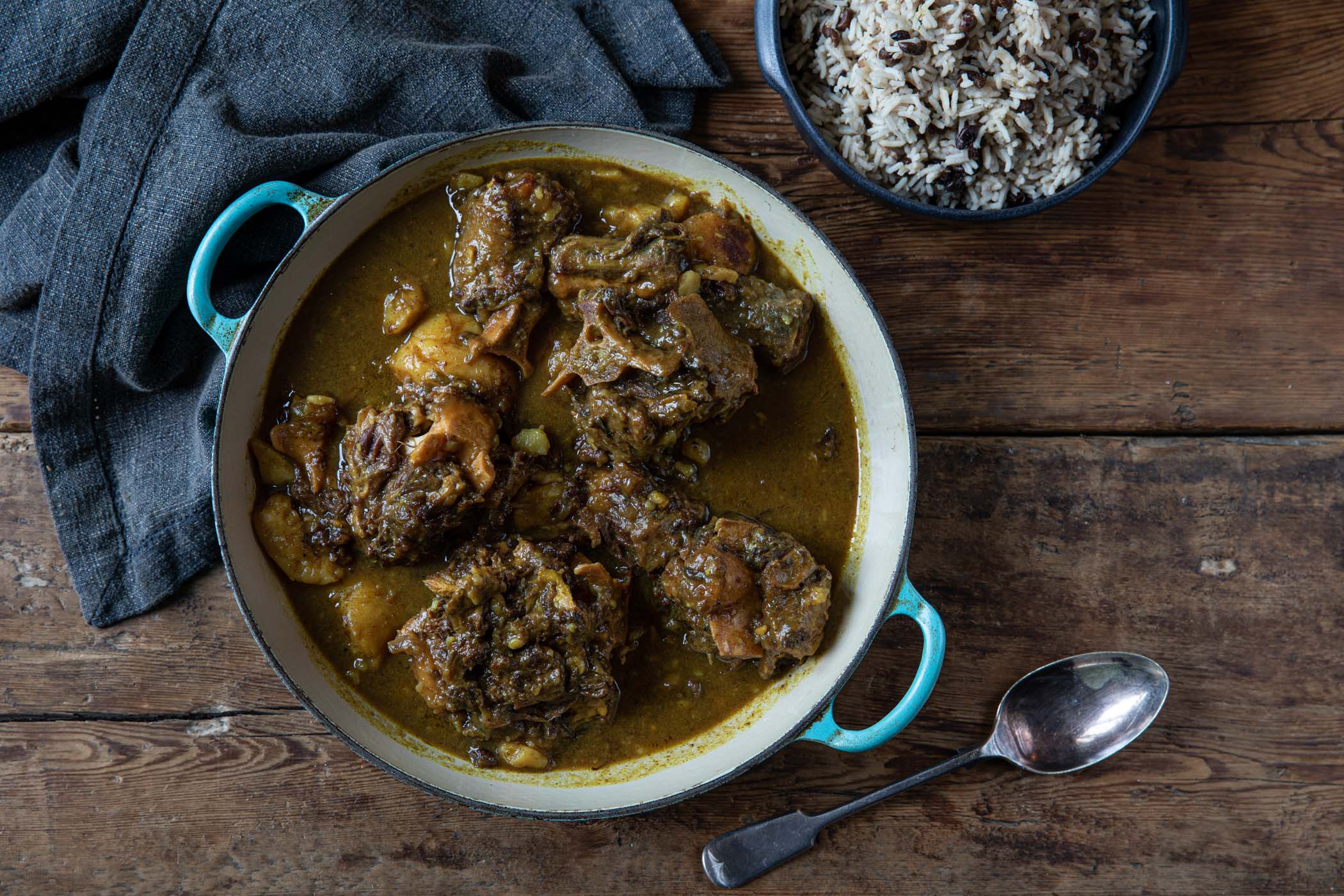
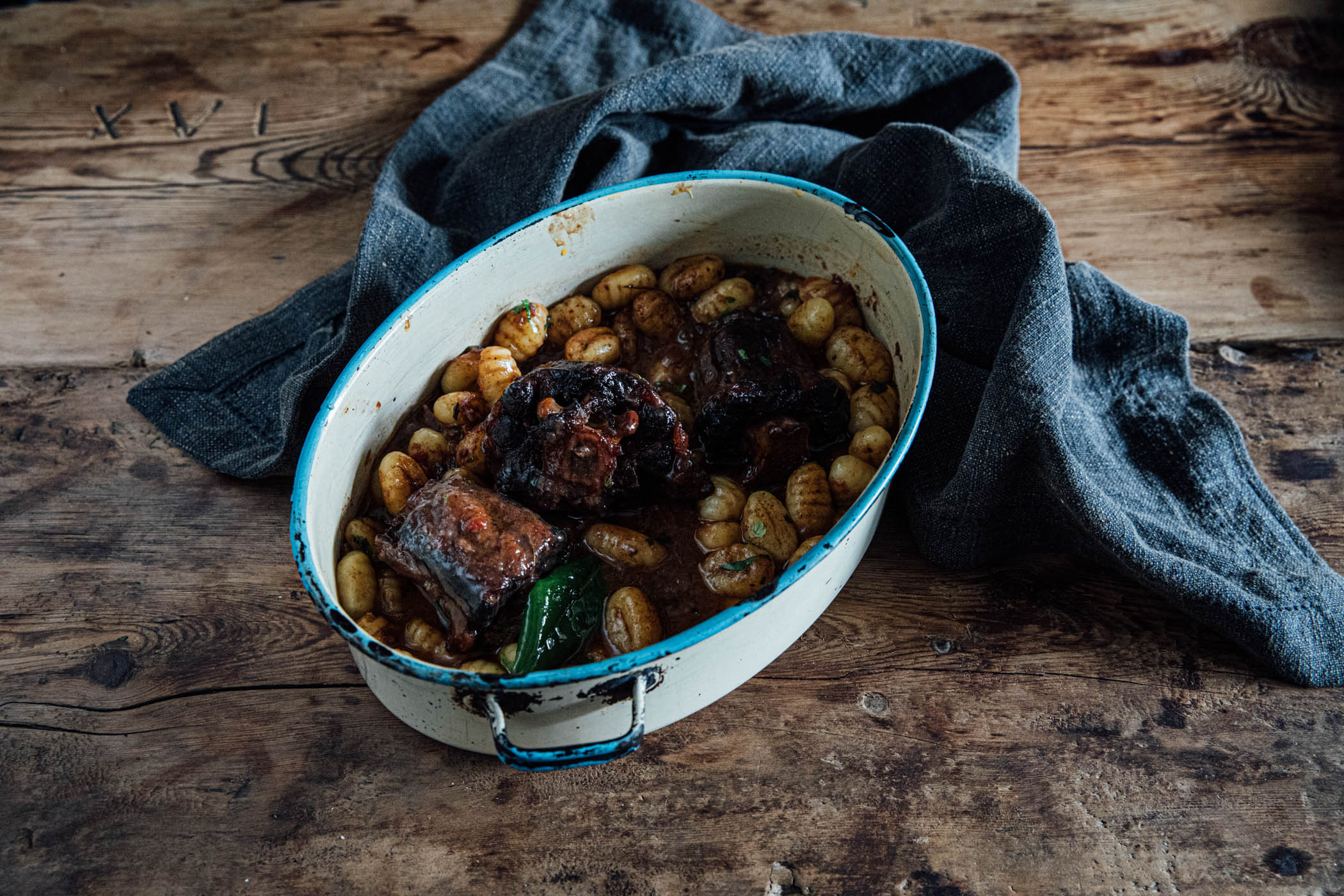
Our grass-fed oxtail is perfect for slow braising until meltingly tender and falling off the bone. Deeply flavoured and rich, few cuts can match heritage breed oxtail for sheer, unadulterated beefy* flavour. Perfect in a pot roast for a warming treat on a cold winter's day.
Melissa Thompson, author of Motherland: A Jamaican Cookbook, inspires:
"Cooking oxtail is a lesson in patience. Some cuts, such as beef short ribs, can be cooked both low and slow and hot and fast. But with oxtail there is just one choice - you’re in it for the long haul.
Oxtail originally meant the tail of an ox, but has since become the description for the tail of any cattle. Officially, it is classed as offal even though it is not an internal organ. By weight, it is more bone than meat and it can also be fatty.
But prepared properly, and cooked out until soft and yielding, it will deliver the most texturally beautiful dish with incredible flavour. The meat falls-apart tender, and the collagen melts to enrich the sauce but with enough left on the edge of the bone segment to nibble on, yielding to the tooth.
Despite its relative scarcity - animals only have one tail - oxtail is a favourite across the beef-eating world. Often it has its roots in the working classes and the poor - a cut eschewed by the wealthy. In Jamaica and other countries in the Caribbean, it is popular with roots that go back to the slave trade, a dish created by the enslaved men and women from West and Central Africa.
In the UK, oxtail was favoured during wartime where it could be bought cheaply. But post-war it fell out of favour, to the point where “oxtail seemed to have disappeared,” said CJ Jackson, one of three authors of The Ration Diet.
It was then outlawed during the BSE crisis of the late 1980s when beef on the bone was banned, almost cementing its downfall.
But it was rescued by chefs including Gary Rhodes and Delia Smith who put it on menus and included it in recipes. It became fashionable again, and today it is a much-sought after cut."
Original: $19.47
-70%$19.47
$5.84More Images
Oxtail
Our grass-fed oxtail is perfect for slow braising until meltingly tender and falling off the bone. Deeply flavoured and rich, few cuts can match heritage breed oxtail for sheer, unadulterated beefy* flavour. Perfect in a pot roast for a warming treat on a cold winter's day.
Melissa Thompson, author of Motherland: A Jamaican Cookbook, inspires:
"Cooking oxtail is a lesson in patience. Some cuts, such as beef short ribs, can be cooked both low and slow and hot and fast. But with oxtail there is just one choice - you’re in it for the long haul.
Oxtail originally meant the tail of an ox, but has since become the description for the tail of any cattle. Officially, it is classed as offal even though it is not an internal organ. By weight, it is more bone than meat and it can also be fatty.
But prepared properly, and cooked out until soft and yielding, it will deliver the most texturally beautiful dish with incredible flavour. The meat falls-apart tender, and the collagen melts to enrich the sauce but with enough left on the edge of the bone segment to nibble on, yielding to the tooth.
Despite its relative scarcity - animals only have one tail - oxtail is a favourite across the beef-eating world. Often it has its roots in the working classes and the poor - a cut eschewed by the wealthy. In Jamaica and other countries in the Caribbean, it is popular with roots that go back to the slave trade, a dish created by the enslaved men and women from West and Central Africa.
In the UK, oxtail was favoured during wartime where it could be bought cheaply. But post-war it fell out of favour, to the point where “oxtail seemed to have disappeared,” said CJ Jackson, one of three authors of The Ration Diet.
It was then outlawed during the BSE crisis of the late 1980s when beef on the bone was banned, almost cementing its downfall.
But it was rescued by chefs including Gary Rhodes and Delia Smith who put it on menus and included it in recipes. It became fashionable again, and today it is a much-sought after cut."
Product Information
Product Information
Shipping & Returns
Shipping & Returns
Description
Our grass-fed oxtail is perfect for slow braising until meltingly tender and falling off the bone. Deeply flavoured and rich, few cuts can match heritage breed oxtail for sheer, unadulterated beefy* flavour. Perfect in a pot roast for a warming treat on a cold winter's day.
Melissa Thompson, author of Motherland: A Jamaican Cookbook, inspires:
"Cooking oxtail is a lesson in patience. Some cuts, such as beef short ribs, can be cooked both low and slow and hot and fast. But with oxtail there is just one choice - you’re in it for the long haul.
Oxtail originally meant the tail of an ox, but has since become the description for the tail of any cattle. Officially, it is classed as offal even though it is not an internal organ. By weight, it is more bone than meat and it can also be fatty.
But prepared properly, and cooked out until soft and yielding, it will deliver the most texturally beautiful dish with incredible flavour. The meat falls-apart tender, and the collagen melts to enrich the sauce but with enough left on the edge of the bone segment to nibble on, yielding to the tooth.
Despite its relative scarcity - animals only have one tail - oxtail is a favourite across the beef-eating world. Often it has its roots in the working classes and the poor - a cut eschewed by the wealthy. In Jamaica and other countries in the Caribbean, it is popular with roots that go back to the slave trade, a dish created by the enslaved men and women from West and Central Africa.
In the UK, oxtail was favoured during wartime where it could be bought cheaply. But post-war it fell out of favour, to the point where “oxtail seemed to have disappeared,” said CJ Jackson, one of three authors of The Ration Diet.
It was then outlawed during the BSE crisis of the late 1980s when beef on the bone was banned, almost cementing its downfall.
But it was rescued by chefs including Gary Rhodes and Delia Smith who put it on menus and included it in recipes. It became fashionable again, and today it is a much-sought after cut."